

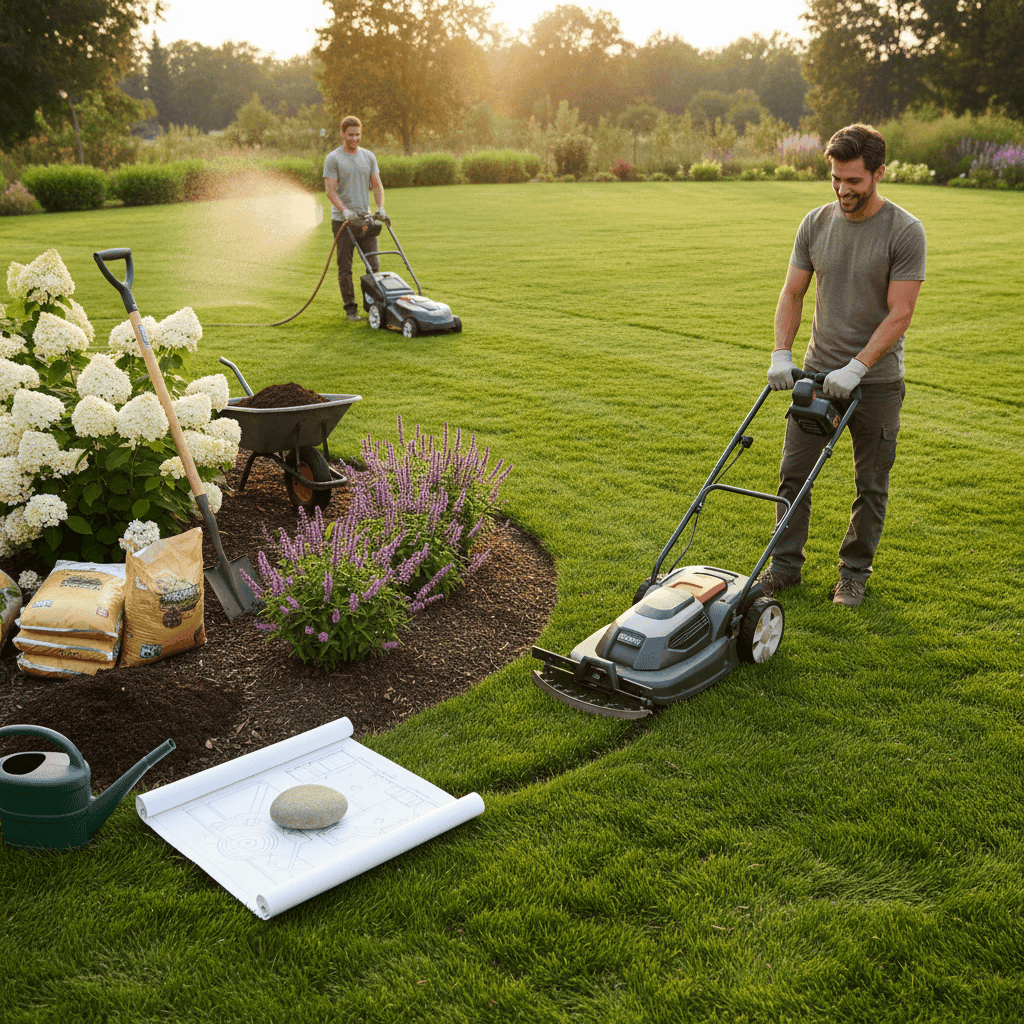
How To Easily Refresh and Shape Your Perfect Lawn Design
Refreshing and shaping your lawn does not have to turn into a big, tiring weekend chore. A few smart moves and a steady routine can change a dull yard into a neat, inviting outdoor spot. Simple, easy tricks make sprucing up your green space quick and stress-free. People who want a nice lawn without the headache will find these tips handy. Keep reading to discover how to make your yard the envy of the neighborhood with little effort.
Whether you are starting from bare patches or working with an established lawn that needs definition the goal is the same. You want clean edges, even turf, and planting that makes mowing and maintenance easier. Read on for hands on tips and examples that you can adapt to your yard size and budget.
How To Easily Refresh and Shape Your Perfect Lawn Design
Refreshing and shaping a lawn starts with a plan that matches your daily habits and property layout. Begin with a sketch on paper or a quick walk around the yard to mark problem spots. Look for compacted areas shading issues uneven grass color and runoff paths that wash away soil. Those observations will guide the sequence of tasks.
Create a simple priority list. First address drainage and compaction because those issues lead to repeated failures after seeding or planting. Next define your hard edges where walkways beds and driveways meet the lawn. Finally allocate areas for decorative planting or grass that can tolerate foot traffic. This phased approach saves time and keeps the project manageable.
Assess Your Lawn Condition and Soil in Practical Terms
Spend an hour assessing the basics. Pull a small turf plug about two inches deep to check the soil texture and smell. Soil that smells sour or is overly dense will need aeration and organic matter. If soil crumbles and drains quickly you may need to add material that retains moisture. A simple pH test kit from a garden center gives insight into fertility and whether lime or sulfur is needed.
- Look for patch patterns that reveal pests or disease rather than watering problems.
- Note shaded spots that never green up to choose suitable grass types later.
- Mark low areas where water pools and high spots that dry fast.
These observations let you match interventions to causes and avoid repeated effort. For example a thin lawn from compaction will respond well to aeration and overseeding. A thin lawn from low fertility will do better when topdressed with compost and given a modest fertilizer program.
Quick Fixes for Common Lawn Problems
Some repairs are quick and yield visible improvement. Use simple tools and materials to gain traction on trouble spots.
- Bare patches Remove debris loosen soil a few inches deep and seed with a mix suited to your region. Keep the area moist until seedlings establish.
- Weeds in high numbers Hand pull broadleaf weeds in small areas or spot treat at the right growth stage. Follow label directions for any product you use and time treatments when grass is actively growing for quicker recovery.
- Uneven mowing If mower cuts are inconsistent check blade sharpness and mower height. A sharp blade makes clean cuts that reduce stress to turf.
For small yards a single weekend can resolve many of these issues. For larger properties plan repairs in sections to keep the lawn usable while parts recover.
Using Edging to Define Shape and Make Maintenance Easier
Well defined edges provide immediate visual improvement and reduce time spent trimming. Edging creates a barrier that keeps grass from creeping into beds and gives a clean line that frames your green space.
Edge Material Options and When to Use Them
Choose materials based on how permanent you want the line to be. Metal and stone provide a crisp permanent line that lasts for years. Plastic or composite edging is less expensive and easier to install for gentle curves. For a natural look a shallow trench gives definition with no added material.
Installation Tips for Long Lasting Edges
- Use a half moon edger or flat shovel to create a consistent trench for the material.
- Compact the soil behind the edge to prevent settling and keep the line straight.
- For curved designs work in short segments and adjust the curve gradually to avoid kinks.
Defined edges reduce time spent with string trimmers and make mulching simpler. They also help water flow predictably so beds remain separate from turf.
Planting and Grass Choices That Keep Shape Over Time
Selecting the right grass and plants is a major step in maintaining a tidy yard. Choose turf that fits your climate and the amount of sun and traffic it will receive. Cool season grasses react differently than warm season lawns and require different timing for seeding and fertilizing.
Overseeding Timing and Technique
Overseed thin areas when the soil is cooler and moisture is reliable. A light raking before spreading seed improves seed to soil contact. After seeding keep the area damp with short frequent waterings until germination. For small spots use a hand spreader and cover lightly with topsoil or compost to retain moisture and protect seeds from birds.
Plant Choices Along Edges and Paths
Choose low growing plants for borders that tolerate occasional foot traffic. Groundcovers with a spreading habit can reduce grassy edges that need trimming. For beds near lawn choose plants with clear mature sizes and set them so roots do not invade the turf quickly.
Seasonal Maintenance to Preserve Shape and Health
A simple seasonal plan keeps the shape you worked for. Break tasks down by month and repeat key care steps so the yard does not backslide.
- Spring Rake debris aerate compacted areas and apply a light fertilizer if soil tests show low nutrients.
- Summer Mow at the recommended height for your grass type. Higher mowing heights shade soil and reduce weed seeds from germinating.
- Fall Overseed and repair thin spots when temperatures moderate. Remove thatch if it exceeds half an inch.
- Winter Keep foot traffic off vulnerable areas and plan any major reshaping for the coming spring.
Consistency matters more than frequency. A short routine you follow regularly prevents the need for dramatic repairs later. Keep basic tools like a sharp mower blade a reliable edger and a sturdy rake on hand to make small jobs quick.
Tools and Small Investments That Pay Off
Smart purchases reduce labor and increase quality of results. A quality half moon edger saves hours compared to trimming with a shovel. A core aerator rents for a day and can relieve compaction on larger lawns. A spreader matched to your lawn size ensures consistent seed and fertilizer application.
- Sharpen mower blades at least twice a season for cleaner cuts
- Use a soil test kit to make targeted decisions so you spend only on what is needed
- Consider a groundcover or low maintenance border plant to reduce the number of edging hours needed each year
Small investments like these streamline upkeep and keep your lawn looking intentional rather than neglected.
When to Consider Professional Help for Complex Issues
Many homeowners can manage refresh and shaping tasks themselves. However some problems are time consuming or require equipment and expertise that make hiring a professional practical. If you have recurring disease issues deep compaction across the property or drainage and grading problems it can save time and money to get an evaluation.
If you are in the Atlanta area and want a local option to examine drainage problems and ongoing weed pressure try a trusted provider like Weed Pro lawn care in Atlanta for a consult. A site visit will give a clear list of priorities and an estimated schedule so you know what to expect.
Working with a pro for an initial year often simplifies maintenance tasks you can handle afterwards. Ask for a written plan that lists timelines and follow up steps so you can measure progress and adjust as needed.
Practical Project Examples You Can Copy
Here are three short examples that illustrate how small changes add up.
- Small urban yard Remove a narrow strip of grass along the fence and install low maintenance groundcover to reduce edging by one third.
- Large suburban lawn Aerate two sections each spring and fall rotating areas to minimize stress. Overseed in the fall for best establishment.
- Shady patch solution Replace struggling grass with shade tolerant planting and mulch to create a restful area that needs little mowing.
These examples show that targeted changes aligned with your yard size and use pattern produce strong results without major expense.
Conclusion
Refreshing and shaping your lawn is a sequence of small, manageable steps rather than one huge job. Start with an honest assessment of soil and turf then address drainage and compaction. Define edges and select grass and plants that match the light and traffic patterns. Short seasonal habits prevent small problems from becoming large ones. Use a few smart purchases to save time on repetitive tasks and bring in a professional for complex grading or persistent issues.
If you want a plan you can follow this season sketch your space set three priorities and schedule one task per weekend. That method keeps progress visible and sustainable. Take photos before and after to track results and adjust treatments. Now pick the first priority and begin. Your lawn will respond quickly to clear attention and steady care. If you need help evaluating conditions or want a local inspection a lawn care professional can provide a practical repair list and timeline. Act now and enjoy a neater yard that fits your life.

